
(781)-265-2008

info@arkdbuild.com

Common

Questions

F.A.Q.

Navigating residential construction in New England requires balancing vision with strict local regulations. At Ark Design & Build, we provide the transparency needed to move from “concept” to “completion.” Whether you are planning a home addition in New Hampshire or an ADU in Massachusetts, this guide addresses the most critical aspects of the process.

The design-build approach unites architecture, engineering, and construction under one cohesive team. By integrating these services, we improve communication, reduce delays, and control costs from day one. Instead of acting as a middleman between a separate architect and a builder, you enjoy a smoother, more efficient project experience where the designers and builders are perfectly synced.

We specialize in custom homes, additions, remodels, and structural improvements. We manage every project phase—from initial concept and coordinated design to planning, permitting, and final construction—ensuring a professional, turnkey result.

Currently, we proudly serve Massachusetts and New Hampshire, focusing on delivering personalized service, local expertise, and reliable support throughout every project phase.

We combine skilled craftsmanship, quality materials, and detailed supervision. By maintaining consistent communication and rigorous on-site standards, we deliver results that consistently exceed client expectations.

Currently, we proudly serve Massachusetts and New Hampshire, focusing on delivering personalized service, local expertise, and reliable support throughout every project phase.

We work with a close-knit network of licensed structural engineers in both MA and NH. Our design team handles the architectural vision, while our engineers provide the stamped calculations and framing plans required to ensure your home can handle New England’s heavy snow loads and wind speeds.

You are a central part of the team. We use a collaborative process where we present 3D renderings and floor plans, allowing you to “walk through” the space virtually before construction begins. We iterate based on your feedback until the design is perfect.

Yes. We are experts in high-performance building envelopes. This includes:

 
  • Advanced Insulation: Spray foam, rigid exterior insulation, and “flash-and-batt” techniques.

  • Mechanicals: High-efficiency heat pumps (air-source or geothermal).

  • Solar Readiness: Designing roof pitches and orientations for maximum photovoltaic output.

You play a central role in the entire design process—we collaborate closely with you to explore every element as the project progresses through draft updates.

Using digital photo 3D renderings and detailed floor plans, you can see and evaluate the proposed design before anything is built. We iterate together based on your input until the design feels perfect.

Determining if a lot is “buildable” involves more than just physical space. We evaluate:

 
  • Zoning Bylaws: Minimum lot size and frontage requirements.

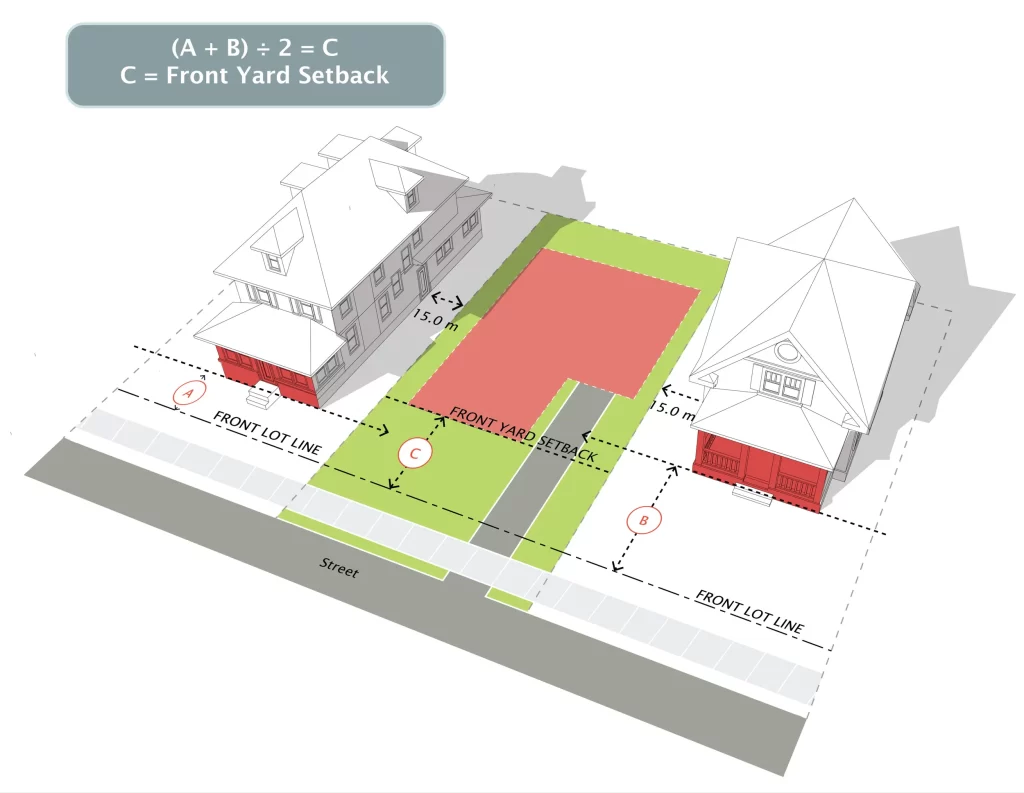
  • The “Buildable Envelope”: The area remaining after calculating front, side, and rear yard setbacks.

  • Lot Coverage: Many towns in MA and NH limit the percentage of your lot that can be covered by “impervious surfaces” (roofs and driveways).

  • Next Step: We recommend a site feasibility study before finalizing any plans. Let’s look at your plot plan together.

New England terrain is rarely “plug-and-play.”

  • Sloped Lots: We design stepped foundations or walk-out basements to work with the grade.

  • Ledge (Rock): We coordinate professional pre-blast surveys and mechanical hammering or blasting when necessary.

  • High Water Tables: We utilize advanced drainage systems, interior/exterior basins, and high-performance waterproofing to ensure dry foundations.

Both states primarily follow the International Residential Code (IRC), but with significant state-specific amendments.

 
  • MA: Requires strict adherence to the 780 CMR (MA State Building Code) and the Energy Stretch Code in many “Green Communities.”

     
  • NH: Follows the state-adopted version of the IRC and IECC (Energy Code), though enforcement can vary by municipality.

An ADU (Accessory Dwelling Unit) is a secondary housing unit on a single-family lot. Whether you are allowed to build one depends on your town’s zoning. However, state-level laws are changing rapidly to encourage their construction to solve housing shortages.

  • Massachusetts: The Affordable Homes Act (effective late 2024/2025) now allows ADUs “as of right” (without a special permit) in many residential zones, typically up to 900 square feet, provided they meet local setbacks.

     
  • New Hampshire: RSA 674:71-73 requires municipalities to allow ADUs in most residential zones. NH often emphasizes that ADUs should not exceed 750–1,000 square feet (depending on the town) and may require an interior door between the units in some jurisdictions.

  • Slab-on-Grade: Cost-effective and excellent for “aging-in-place” ADUs where no-step entry is preferred.

  • Crawl Space: Provides access to plumbing and mechanicals without the cost of a full dig.

     
  • Full Basement: Maximum storage and structural integrity, though it increases the budget and excavation timeline.

  • This is town-specific. While “as-of-right” laws in MA cover many scenarios, some NH towns still require ADUs to be attached to the primary structure. We review your local ordinances to ensure your detached ADU or garage apartment is fully compliant.

  • The most difficult aspect is the connection point. We must ensure the “old” foundation can support the load transition, match floor heights exactly, and create a water-tight seal where new roofs meet old ones. We also evaluate your existing electrical and HVAC systems to ensure they can handle the increased load.

When we serve as your general contractors, we take full ownership of the process from design through construction. Our team manages all required drawings, documentation, and direct communication with local building departments. We expertly handle the red tape—submitting applications, addressing reviews, and resolving any issues—to prevent unnecessary delays and keep your project on track.
We ensure full compliance with the International Residential Code (IRC), all applicable local zoning ordinances, and any jurisdiction-specific amendments, so your home is built safely, legally, and without surprises.

  • While every project is unique, a standard timeline looks like:

    1. Design & Engineering: 3 weeks – 2 months.

    2. Permitting: 1–2 months (town-dependent).

    3. Construction: 5–8 months for additions/ADUs; 10–14 months for custom homes.

Still Have Questions? Let’s Talk

If you didn’t find the answer you were looking for, our team at Ark Design & Build is ready to help. Contact us today for personalized guidance, clear explanations, and expert support for your project.

Or Give Us a Call At

(781)-265-2008

Follow Us